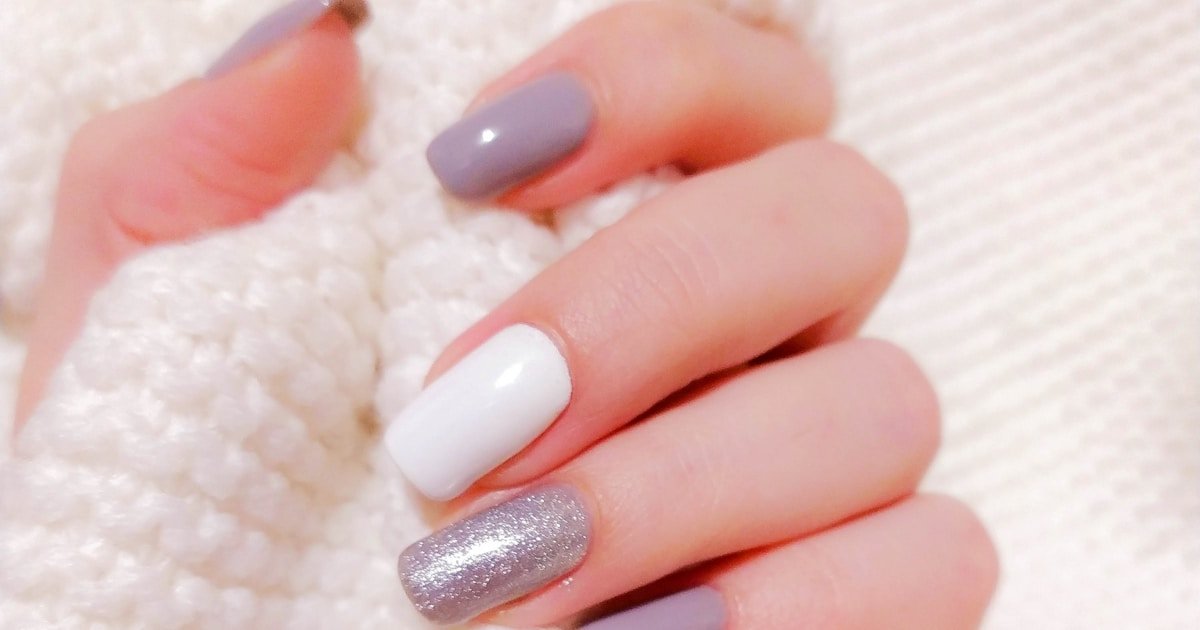
Gel Nails vs Regular Polish: Which is Better for Raipur's Climate?
\n\nThe question of gel versus regular nail polish sounds like a minor beauty decision, but in Raipur's specific climate conditions, it has a genuinely practical answer. Raipur runs hot and humid for much of the year — temperatures touch 40 to 48 degrees Celsius in summer, and the monsoon season brings sustained high humidity that affects everything, including how nail products perform. Understanding the technical differences between the two helps you make a better decision for your nails, your schedule, and your budget.
\n\nWhat Regular Polish Is and How It Behaves in Heat
\n\nRegular nail polish is a film-forming lacquer — solvents suspend colorants and film-formers in liquid form, and as those solvents evaporate after application, the color layer hardens. The process sounds simple, and it is. The film that forms is relatively thin and somewhat flexible, which means it responds to temperature changes by expanding and contracting.
\n\nIn Raipur's summer heat, this becomes a problem. At 40-plus degrees, the polish film softens. Contact with hard surfaces — keyboards, car doors, bags — causes impressions and dents that would not appear in cooler temperatures. Thermal expansion also causes micro-cracks to form at the nail edge, and once a crack starts, the rest of the polish peels away quickly. Most regular polish applications in Raipur summer last four to six days before visible chipping, compared to eight to ten days in moderate climates.
\n\nThe high humidity of monsoon season creates a different problem. Moisture exposure causes regular polish to lift at the edges, particularly around the cuticle area. The natural flex of the nail — which absorbs moisture from washing hands, rain exposure, and humidity — moves differently from the inflexible polish film sitting on top. The result is lifting, bubbling, and eventual peeling.
\n\nWhat Gel Polish Is and Why It Holds Better
\n\nGel nail polish is a different product category altogether. Gel formulations contain photoinitiators — compounds that trigger a hardening reaction when exposed to ultraviolet or LED light. When the therapist cures each coat under the UV lamp, the gel undergoes polymerization: the individual molecules cross-link into a three-dimensional network, creating a hard, durable film that is fundamentally different in structure from dried regular polish.
\n\nThe cured gel film is significantly harder and more resistant to thermal expansion. In Raipur's summer heat, gel nails hold their shape and surface integrity in conditions that destroy regular polish within days. Most gel applications last two to three weeks in Raipur's climate — longer than comparable applications in cooler cities, because the cured gel structure is not sensitive to temperature the way solvent-based films are.
\n\nMonsoon humidity also has less effect on gel. Because the film is fully cross-linked rather than being a simple evaporated coating, it does not soften or lift from moisture exposure in the same way. Edge adhesion remains stronger for longer.
\n\nThe UV Curing Process
\n\nUnderstanding curing matters because improper curing is the leading cause of gel failures. Each coat — base coat, color coats, and top coat — must be placed under the UV or LED lamp for the full specified duration. Under-curing leaves uncrosslinked material in the film, which results in softer gel, increased sensitivity to heat, and a higher likelihood of lifting.
\n\nAt Raipur Spa, therapists use calibrated LED lamps that cure each coat in 30 to 60 seconds. LED lamps cure faster than traditional UV lamps and do not degrade in output over time in the way fluorescent UV bulbs do. This consistency matters for the durability of the final result.
\n\nThe base coat is the most critical layer. It must bond chemically to the natural nail surface, and any contamination from oils — including natural nail oils — reduces adhesion. A proper prep routine involving gentle buffing and a dehydrating agent before base coat application is what separates a two-week gel wear from a three-week gel wear.
\n\nGel Removal: Why Soaking Matters
\n\nGel removal is where the most nail damage occurs, and almost all of it is avoidable. The correct method is acetone soak-off: gel-specific acetone is applied to each nail, typically with a soaked cotton pad wrapped in foil or a soak-off cap. After ten to fifteen minutes, the gel lifts and can be gently pushed away with a cuticle pusher.
\n\nPeeling gel off — lifting the edge and stripping it away from the nail — removes the topmost layer of the natural nail along with it. This is called delamination, and it leaves nails thin, flexible, and prone to breaking. After three or four peel-off removals, natural nails become noticeably weaker and may take months to recover full thickness.
\n\nIf you have ever heard someone say gel ruined their nails, this is almost always what happened. The gel did not damage the nail; improper removal did. At Raipur Spa, removal is always done via the soak method, and the process is included in the cost of reapplication when you book the next service.
\n\nNail Health: Gel vs Regular Over Time
\n\nWith proper application and proper removal, gel polish does not cause significant nail damage. The cured film acts as a protective layer — it prevents the nail from bending sharply, which reduces breakage for people with naturally flexible nails.
\n\nThe only genuine concern with consistent gel wear is hydration. The soak-off process, however properly executed, involves acetone exposure that temporarily dehydrates both the nail and the surrounding skin. Applying cuticle oil daily during the gel wear period and immediately after removal counteracts this. People who wear gel consistently without maintaining nail hydration do sometimes experience brittleness over time — but this is a maintenance failure, not an inherent property of gel.
\n\nRegular polish, applied and removed correctly, has minimal impact on nail health. The solvents in polish remover cause some dehydration but significantly less than acetone soak-off. For someone who changes nail color frequently — more than once a week — regular polish is less impactful on nail integrity than cycling through gel applications and removals at the same rate.
\n\nBest Occasions for Each
\n\nRegular polish is the right choice when you want a quick color update, plan to change the color within a week, or are doing a simple home application between salon visits. For events where hands are prominently on display for a single day — a wedding, a presentation, a photoshoot — regular polish in a strong color is perfectly adequate and offers more flexibility to match the exact shade to an outfit.
\n\nGel is the better choice for everything else in Raipur's climate. Travel, outdoor events, monsoon season, daily work exposure — all of these call for a finish that will not chip or lift before the occasion is over. For brides and wedding guests, gel is the standard recommendation because it survives the full duration of wedding functions without touch-ups.
\n\nPricing at Raipur Spa
\n\nRegular nail polish manicure at Raipur Spa is priced between Rs. 200 and Rs. 400, depending on whether the service includes basic shaping and cuticle care or a more comprehensive hand treatment. Pedicure with regular polish follows a similar pricing structure.
\n\nGel nail services are priced between Rs. 500 and Rs. 900 for manicure and Rs. 600 and Rs. 1,000 for pedicure, depending on the gel brand and whether nail art or extensions are included. Gel removal as a standalone service is priced at Rs. 150 to Rs. 250. When removal is combined with a new gel application at the same appointment, the removal cost is typically waived or included.
\n\nGiven that gel lasts two to three times longer than regular polish in Raipur's climate, the cost-per-day of wear often works out comparable or lower than the regular alternative — particularly during summer and monsoon when regular polish has the shortest lifespan.
Frequently Asked Questions
What is the difference between gel nails and regular nail polish?
Regular nail polish is air-dried paint that chips within 5 to 7 days. Gel nails use a polymer gel cured under UV or LED light to create a chip-resistant finish lasting 2 to 3 weeks. Gel polish is shinier, more durable, and maintains its appearance significantly longer.
Is gel nail polish better for Raipur's climate?
Gel nail polish is generally better for Raipur's climate. The heat and humidity accelerate regular polish chipping, while gel's cured surface is more resistant to heat-related softening. However, gel requires professional removal to avoid nail damage.
Does gel nail polish damage nails more than regular polish?
When properly applied and professionally removed with acetone wrapping technique, gel polish does not significantly damage healthy nails. Damage occurs from improper home removal or peeling. Regular use with short breaks between applications maintains nail health.
How do I remove gel nail polish safely?
Safe removal involves soaking cotton pads in acetone, wrapping each nail in foil for 10 to 15 minutes, then gently pushing off the softened gel. Never peel or force the gel off. Professional removal at Raipur SPA ensures damage-free results.
How much does gel nail polish cost compared to regular polish at Raipur SPA?
Regular nail polish application starts from Rs. 299 while gel nail application starts from Rs. 599. Given gel's 2 to 3 week wear versus regular polish's 5 to 7 days, gel often provides better value for busy clients.
Enjoyed This Article?
Stop reading about relaxation — come experience it firsthand at Raipur SPA.
