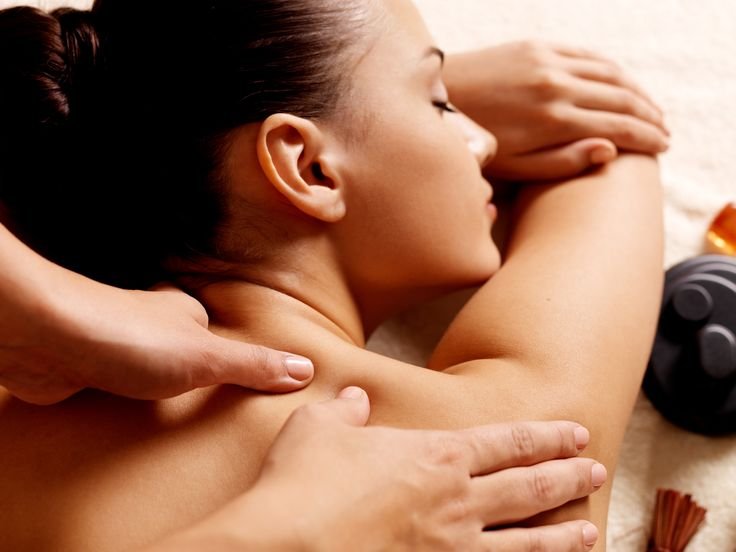
Champi: India's Original Stress Therapy
Long before Western massage therapy developed its clinical frameworks and formal certification programmes, Indian grandmothers were practicing something that worked. Champi — Indian head massage — is woven into the fabric of everyday Indian life. Mothers massaging children's heads with warm oil, families gathering on Sunday mornings for mutual head massage, dadi ke haath ka tel — these are not just fond cultural memories. They are the transmission of genuinely effective therapeutic knowledge across generations.
What modern research is revealing is that the mechanisms behind champi are actually quite sophisticated. The head and scalp contain an extraordinary density of nerve endings, blood vessels, lymphatic tissue, and pressure points. Working these structures therapeutically produces effects that ripple through the entire nervous system. Your dadi knew what she was doing.
What Indian Head Massage Involves
Traditional Indian head massage encompasses the scalp, neck, shoulders, and sometimes the face and upper arms. It uses a combination of techniques: effleurage (stroking) to warm and soothe the scalp, petrissage (kneading and compression) to work the scalp tissue and underlying muscles, tapotement (gentle tapping) to stimulate circulation, and direct acupressure on marma points — the specific energy points of Ayurvedic medicine located throughout the head and neck region.
Oil is an integral part of traditional champi. Warmed sesame oil, coconut oil, or medicated Ayurvedic oils like brahmi or bhringraj are worked through the scalp, stimulating hair follicles, improving scalp circulation, and providing the oil's own therapeutic properties through skin absorption.
What Head Massage Does for Your Brain
This is where things get interesting. The scalp has direct connections to the autonomic nervous system through an extensive network of sensory nerves. Therapeutic stimulation of the scalp activates the parasympathetic response — the same calming shift that full body massage triggers, but accessible through a much more targeted intervention.
Research on massage and the brain consistently shows increases in alpha wave activity during and after therapeutic touch. Alpha waves are associated with relaxed alertness — the mental state where you are calm but not drowsy, clear-headed but not stressed. This is the state associated with creativity, problem-solving, and emotional equilibrium. Regular head massage essentially trains your brain to spend more time in this optimal state.
Serotonin and dopamine production increases during massage, including head massage. Combined with the cortisol reduction that therapeutic touch produces, this creates a neurochemical profile associated with improved mood, reduced anxiety, and greater emotional resilience.
The Scalp and Hair Health Connection
From a more physically grounded perspective, the scalp is a vascularised tissue that needs good circulation to support healthy hair follicles. Hair follicles are among the most metabolically active cells in the body — they need oxygen and nutrients delivered via blood flow and waste products removed efficiently. Sedentary lifestyle, stress, and poor nutrition all impair this circulation.
Regular head massage directly addresses this. The mechanical stimulation of scalp tissue vasodilates capillaries, increasing blood flow to follicles. The oil application nourishes the scalp skin directly and can penetrate to some degree into the follicle itself. The reduction in cortisol is also significant — chronic cortisol elevation is a documented driver of hair loss (telogen effluvium), and anything that consistently reduces cortisol, including regular head massage, supports hair retention.
Raipur mein pollution, heat, aur stress — teeno milke scalp health ko affect karte hain. Head massage is one of the most direct interventions available for maintaining scalp health in these conditions.
Head Massage for Headache and Migraine
Tension headaches are typically caused by sustained contraction of the muscles of the scalp, neck, and face. The muscle groups most commonly involved are the temporalis (along the sides of the head), the occipitalis (at the base of the skull), and the trapezius (upper shoulders and neck). Head massage directly works these muscles, releasing the chronic tension that creates and perpetuates tension headaches.
For migraine, the evidence is more nuanced. Head massage during a migraine is generally not recommended — stimulation during an acute attack can worsen symptoms. But regular preventive head massage, particularly targeting the neck and suboccipital muscles, has been shown to reduce migraine frequency and severity in some sufferers. The scalp's connection to the trigeminal nerve — central to migraine pathophysiology — means that therapeutic scalp work has real potential relevance here.
Mental Clarity and Focus Benefits
Beyond relaxation, regular head massage has cognitive benefits that many clients notice and appreciate. The improvement in cerebral circulation, the alpha wave enhancement, and the cortisol reduction combine to produce noticeable improvements in mental clarity, focus, and cognitive energy. Many clients who receive regular head massage report feeling sharper and less mentally fatigued, particularly in demanding work periods.
This is not surprising — the brain, like any organ, performs better when it is well-circulated, less stressed, and not running on chronic cortisol overload. Head massage addresses all three of these factors simultaneously.
The Marma Points of the Head
Ayurvedic medicine identifies specific marma points — vital energy points — throughout the body, with a significant concentration in the head and neck region. Working these points is said to influence the flow of prana (vital life energy) through the body and to have effects on specific organs and systems corresponding to each point.
Whether you accept the Ayurvedic energy framework or prefer a neurophysiological explanation, the practical reality is that pressure on specific points in the head and neck region produces predictable, beneficial effects: the marma at the crown of the head (adhipati marma) produces a calming, centering effect; points at the base of the skull relate to cervical nerve function; points at the temples influence temporal muscle tension and head circulation. The traditional map, developed through centuries of empirical observation, often aligns well with modern anatomical understanding.
At Raipur SPA: What Our Head Massage Includes
Our Indian head massage treatment begins with a brief consultation to identify your primary concerns — stress, headaches, hair health, sleep, or general relaxation — which informs the oil selection and pressure focus. We warm the chosen oil and begin with shoulder and neck work to release the foundation tension before moving to the scalp itself.
The scalp work progresses from gentle stroking to kneading, compression, and marma point work, finishing with slow, grounding strokes. The face is treated with light acupressure at key sinus and facial tension points. The session ends with a brief period of stillness, allowing the nervous system to fully integrate the relaxation response.
After your session, the oil remains in your hair — we recommend leaving it for at least 2 hours and washing it out with mild shampoo. The scalp benefits from extended oil contact time.
Frequently Asked Questions
Will my hair be oily after the session?
Yes, the oil treatment is part of the therapy. Plan accordingly — either schedule your appointment before a day off, or wear your hair in a way you are comfortable with post-session. Do not shampoo immediately; give the oil time to work.
Can head massage be done without oil?
Yes, for clients who prefer it or who have specific scalp conditions. The dry version still provides significant neurological and muscular benefits, though the scalp and hair nourishment aspect is reduced.
How often should I get head massage?
For stress management and general wellbeing, once or twice a month is excellent. For hair health support, weekly sessions during an initial 6-8 week period show the best results, then monthly maintenance.
Is head massage safe for everyone?
Generally yes. Consult with us before booking if you have recent head, neck, or scalp injuries, history of head surgery, or active scalp infections. Call us at +91 7987 303 127 or visit our head massage page.
Enjoyed This Article?
Stop reading about relaxation — come experience it firsthand at Raipur SPA.
