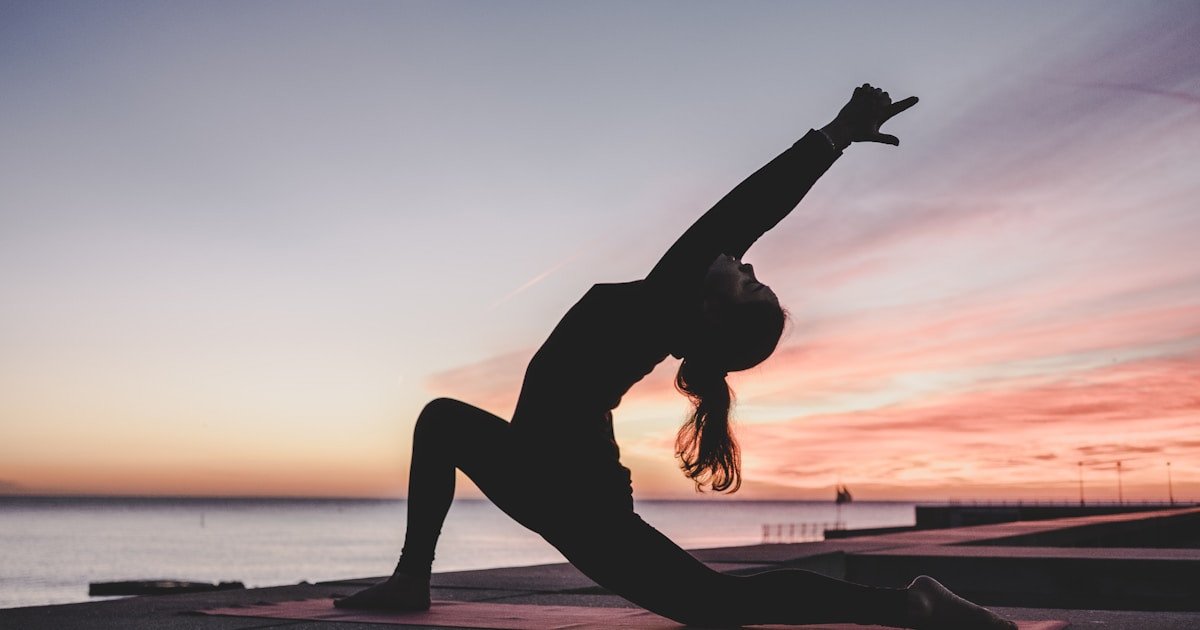
The Modern Burnout Epidemic — and Why Standard Treatments Are Not Enough
In Raipur's rapidly growing professional landscape — government officers, business owners, IT professionals, healthcare workers — chronic stress and burnout have become near-universal experiences. Long hours, constant connectivity, poor sleep, irregular meals, and relentless performance pressure are systematically depleting the body's reserves at a rate that weekend rest and occasional holidays cannot replenish.
The standard medical response to burnout — rest, counselling, sleep hygiene, and sometimes antidepressants or anxiolytics — addresses the psychological and biochemical symptoms but rarely touches the underlying physiological depletion. The HPA axis (hypothalamic-pituitary-adrenal axis) remains dysregulated. Cortisol patterns stay disrupted. The digestive system continues to underperform. Inflammatory markers stay elevated. The person feels better for a while, then gradually slides back into the same depleted state.
Ayurvedic Panchakarma offers a fundamentally different approach — one that works simultaneously at the neurological, endocrine, digestive, and tissue levels to restore the body's own capacity for regulation, resilience, and renewal.
How Ayurveda Understands Stress and Burnout
In Ayurvedic terms, chronic stress is primarily a disorder of Vata dosha — the force governing movement, the nervous system, and all regulatory functions in the body. Prolonged mental and emotional strain aggravates Vata, which in turn disrupts the other doshas, weakens the digestive fire (agni), and allows the accumulation of metabolic waste (ama) in the body's tissues and channels.
The specific Vata imbalances associated with burnout include:
- Prana Vata: Governs the brain and sensory organs. When depleted, this manifests as mental fog, poor concentration, forgetfulness, and sensory oversensitivity — classic burnout symptoms.
- Udana Vata: Governs upward movement of energy, speech, enthusiasm, and immunity. Its depletion produces fatigue, low motivation, and a pervasive sense of emptiness.
- Vyana Vata: Governs circulation and peripheral nervous function. Chronic stress disrupts Vyana Vata, causing erratic heart rate, poor circulation, cold extremities, and disturbed sleep.
- Apana Vata: Governs downward elimination. Stress-related Apana disturbance produces constipation, irregular digestion, and hormonal dysregulation.
Prolonged Vata aggravation also causes secondary Pitta disturbance — leading to irritability, inflammation, acid reflux, and skin flare-ups — and eventual Kapha depletion, manifesting as the profound heaviness, lethargy, and emotional withdrawal that characterise severe burnout.
The Panchakarma Procedures Most Relevant to Stress and Burnout
Not all five Panchakarma procedures are equally relevant to every condition. For stress, anxiety, and burnout, the following procedures are most commonly prescribed and most powerfully effective.
Shirodhara — The Stream of Calm
Shirodhara involves pouring a continuous, gentle stream of warm medicated oil onto the forehead (specifically the third-eye region, or ajna chakra). The sensation is profoundly soothing — most clients enter a deeply relaxed, meditative state within minutes. From an Ayurvedic perspective, Shirodhara directly pacifies Prana Vata and Sadhaka Pitta (the aspect of Pitta associated with emotions and mental processing), calming the overactive mental field that characterises anxiety and burnout.
From a modern physiological perspective, Shirodhara has been studied for its effects on the HPA axis — the stress response system. Research published in peer-reviewed Ayurvedic journals has found that Shirodhara significantly reduces cortisol levels, lowers heart rate variability markers associated with sympathetic dominance, and induces alpha wave brain activity associated with calm, wakeful awareness. For our Raipur clients who describe their minds as "unable to switch off," the effects of even a single Shirodhara session are often immediately palpable.
Abhyanga — Full-Body Vata Pacification
The classical full-body Ayurvedic oil massage is one of the most powerful Vata-pacifying interventions available. The combination of warm medicated oil, rhythmic pressure, and the specific direction of strokes works simultaneously to calm the nervous system, improve lymphatic circulation, nourish the skin (the seat of Vata), and stimulate the parasympathetic nervous system — the body's rest-and-digest mode.
Regular Abhyanga forms the foundation of both the preparatory phase (Poorvakarma) and the post-treatment recovery phase (Paschatkarma) in a Panchakarma programme. For burnout clients, the daily or bi-daily Abhyanga during a multi-day programme produces cumulative neurological recalibration — gradually retraining the nervous system away from its habitual state of hyperarousal.
Nasya — Clearing the Head Channel
The head is described in Ayurveda as the seat of all sense organs and the primary residence of Prana. When the channels of the head are congested with ama or disturbed Vata, the result is mental heaviness, poor clarity, chronic headaches, poor sleep, and emotional dysregulation. Nasya — the instillation of medicated oils or herbal preparations through the nasal passages — directly addresses this congestion.
Brahmi Taila and Anu Taila are the preparations most commonly used for stress-related Nasya. Both contain herbs with well-documented adaptogenic and nootropic properties — Brahmi (Bacopa monnieri), Shankhapushpi, and Jyotishmati among them. Clients typically experience immediate clarity in the head, reduced sinus pressure, and an unusual sense of mental spaciousness following Nasya.
Basti — Addressing Vata at Its Root
As noted earlier, Basti is the primary Vata-pacifying karma and arguably the most important procedure for any condition rooted in Vata disturbance. For burnout — which is fundamentally a Vata disorder — Basti works at the deepest level, directly nourishing and regulating Apana Vata (the governing Vata in the colon) and through it, the entire Vata system. Medicated sesame oil enemas (Anuvasana Basti) with oils such as Ksheerabala Taila or Dhanvantaram Taila are deeply grounding, nourishing, and stabilising.
The Role of Rasayana in Post-Panchakarma Recovery from Burnout
After the main Panchakarma procedures have cleared the channels and eliminated accumulated ama, the body is in an ideal state to receive and absorb the benefits of rasayana — Ayurvedic rejuvenative therapy. The term rasayana refers to any substance or practice that nourishes the body at the level of rasa (plasma) and then progressively nourishes all seven dhatus (tissues), promoting longevity, immunity, and vitality.
For burnout, the most relevant rasayanas include:
- Ashwagandha (Withania somnifera): The premier Ayurvedic adaptogen — reduces cortisol, improves stress resilience, enhances sleep quality, and rebuilds physical strength.
- Brahmi (Bacopa monnieri): The pre-eminent medhya rasayana (brain tonic) — enhances memory, reduces anxiety, and protects neurons from stress-related damage.
- Shatavari (Asparagus racemosus): Deeply nourishing to rasa and rakta dhatu, particularly relevant for burnout accompanied by hormonal disturbance or depletion in women.
- Chyavanprash: The classical polyherbal rasayana combining Amalaki with dozens of rejuvenative herbs — rebuilds ojas (vital essence) depleted by prolonged stress.
Our Ayurvedic practitioners at Scale Raipur SPA prescribe specific rasayana formulations personalised to each client's prakriti and post-Panchakarma state, along with clear instructions on dosage, timing, and duration of supplementation.
Diet and Lifestyle for Burnout Recovery: The Ayurvedic Approach
Panchakarma is not a one-time fix that works independently of diet and lifestyle. Its benefits are dramatically amplified and sustained when combined with Vata-pacifying dietary and lifestyle practices. Our practitioners provide each client with a personalised post-programme protocol that typically includes:
- Warm, freshly prepared, easily digestible meals eaten at regular times — emphasising ghee, warm soups, well-cooked grains, and root vegetables
- Reduction or elimination of raw foods, cold beverages, processed foods, excessive caffeine, and irregular meal patterns
- Daily morning Abhyanga (self-massage with warm sesame or Ashwagandha oil) — one of the most powerful daily practices for Vata regulation
- Consistent sleep timing — rising and sleeping at the same time daily to regulate the circadian rhythm, which is profoundly disrupted in burnout
- Pranayama practice — specifically Nadi Shodhana (alternate nostril breathing) and Bhramari (humming bee breath) for nervous system regulation
- Reduction of screen exposure, especially in the evening hours, to support melatonin production and Vata stability
Book Your Panchakarma Stress-Relief Programme in Raipur
If you are experiencing chronic fatigue, persistent anxiety, poor sleep, mental fog, or the deep depletion of burnout, Panchakarma at Scale Raipur SPA offers a genuine path to recovery — not just symptom management, but deep systemic restoration.
We offer the Panchakarma Starter (Rs.2,499 / 60 min) for an introduction, the Panchakarma Detox Programme (Rs.3,999 / 90 min) for a deeper intervention, and the Royal Panchakarma Immersion (Rs.5,999 / 120 min) for comprehensive restoration. Multi-day programmes are also available and strongly recommended for moderate to severe burnout.
Located in Samta Colony, Raipur — open 10 AM to 10 PM, Monday to Sunday. Call +91 7987 303 127 or WhatsApp to book your Ayurvedic consultation. Your nervous system deserves a genuine reset.
Enjoyed This Article?
Stop reading about relaxation — come experience it firsthand at Raipur SPA.
Explore Related Services
Keep Reading
Related Articles
Health Tips
Foot Massage in Raipur: Paon Ki Thakan Utaaro, Poori Body Ko Aaram Do
5 min read · 13 Apr 2026
Health Tips
Hot Oil Massage in Raipur: Garmi Ke Saath Deep Healing Ka Experience
5 min read · 13 Apr 2026
Health Tips
Aromatherapy Massage in Raipur: Essential Oils Se Karein Mind-Body Healing
4 min read · 13 Apr 2026
Enjoyed This Article?
Stop reading about relaxation — come experience it firsthand at Raipur SPA.
 Chat with us