The Most Common Misunderstanding About Panchakarma
When Scale Raipur SPA clients inquire about Panchakarma for the first time, they frequently ask: "Is it like an Ayurvedic massage, but longer?" This is perhaps the most common misunderstanding about Panchakarma — and it is worth addressing directly and thoroughly, because the distinction matters enormously for anyone trying to make an informed decision about their wellness investment.
The short answer is: Panchakarma and a spa massage operate at entirely different levels of the body and produce entirely different types of results. A longer massage is still a massage. Panchakarma is a different category of medicine altogether.
Let us explore this distinction in detail — practically, clinically, and philosophically — so that Raipur residents can understand what they are choosing when they opt for Panchakarma over a regular spa visit, and vice versa.
What a Spa Massage Does (and Does Well)
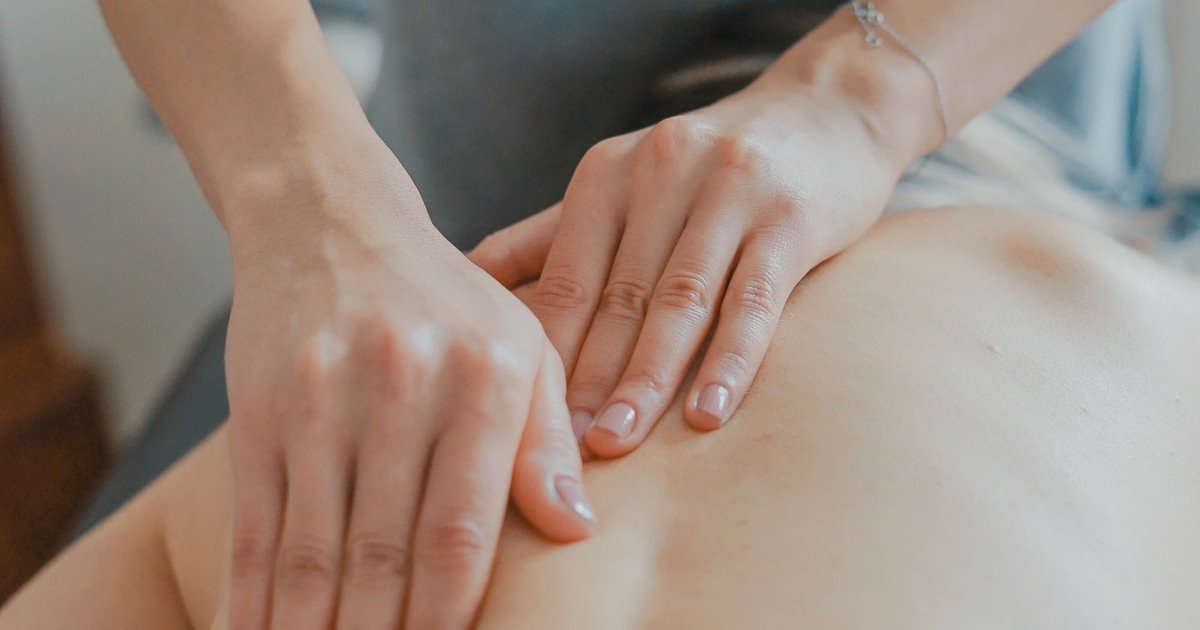
A good spa massage — whether Swedish, deep tissue, Balinese, hot stone, or Ayurvedic Abhyanga — is genuinely therapeutic. It is not trivial. At Scale Raipur SPA, we see remarkable benefits from our massage therapies every single day:
- Reduction of muscular tension and chronic pain
- Improved local circulation and lymphatic flow
- Activation of the parasympathetic nervous system (rest-and-digest mode)
- Release of endorphins and reduction of cortisol in the short term
- Improvement of skin texture and hydration through oil application
- Enhanced joint mobility through passive stretching and pressure
- Profound relaxation and improved mood for hours to days following the session
These are real, measurable, clinically significant benefits. Regular massage therapy is a legitimate component of a healthy lifestyle for many people, and we enthusiastically support it. For maintenance, stress relief, and general wellbeing, a monthly or bi-monthly massage is excellent medicine.
However, a massage — even the most skilled Ayurvedic Abhyanga with high-quality medicated oils — works primarily at the level of the skin, superficial soft tissues, and peripheral nervous system. It does not eliminate deep-seated toxins from the body's internal tissues and organ systems. It does not correct fundamental dosha imbalances at the physiological level. It does not regenerate tissues that have been depleted or structurally compromised by chronic disease. And its benefits, while real, are largely temporary in their deeper physiological effects.
What Panchakarma Does That No Massage Can
Panchakarma is designed to work at the level of the body's deepest tissues — what Ayurveda calls the seven dhatus (rasa, rakta, mamsa, meda, asthi, majja, shukra/artava) — and the channels (srotas) that supply and drain these tissues. Toxin accumulation at this deep level is not accessible through external application of oil and pressure alone. It requires internal procedures that physically mobilise and eliminate the ama.
Consider the analogy offered in classical Ayurvedic texts: applying external treatments to a body full of accumulated ama is like washing the outside of a vessel that is dirty inside. The exterior looks cleaner, but the fundamental problem — the internal accumulation — remains unaddressed. Panchakarma is the procedure that cleans the inside of the vessel.
Specifically, Panchakarma achieves things that no massage can:
- Eliminates ama from deep tissue: Through the systematic action of Virechana (purgation) and Basti (medicated enema), toxins that have accumulated in the liver, small intestine, colon, and connected tissue are physically expelled from the body.
- Resets the digestive fire (agni): Panchakarma restores the correct function of agni — the digestive and metabolic intelligence that determines how effectively the body processes food, emotions, and experiences. No massage affects agni.
- Corrects dosha imbalances at the systemic level: While an oil massage can temporarily pacify localised Vata or Pitta, Panchakarma procedures like Virechana and Basti produce lasting correction of dosha pathology that persists for months or years after the programme.
- Regenerates and rejuvenates deep tissues: The post-Panchakarma rasayana phase, enabled by the clean and receptive state of the body after purification, produces genuine tissue regeneration — not just relaxation or nourishment of the superficial layers.
- Produces lasting neurological recalibration: Multi-day Panchakarma programmes produce measurable changes in HPA axis function, autonomic nervous system balance, and inflammatory marker levels that persist long after the programme ends. A single massage produces temporary shifts that return to baseline within days.
When to Choose a Spa Massage (and When to Choose Panchakarma)
The choice between a spa massage and Panchakarma is not an either-or decision in the long run — both have their role in an Ayurvedic wellness strategy. However, understanding when each is appropriate helps clients invest wisely in their health.
Choose a spa massage when:
- You need immediate relaxation and stress relief after a demanding week
- You have localised muscular tension or soreness
- You are maintaining a healthy body that needs regular nurturing and toning
- You want to enjoy the sensory pleasure of skilled touch in a beautiful environment
- You are in a maintenance phase after a previous Panchakarma programme
Choose Panchakarma when:
- You are dealing with a chronic condition that has not responded adequately to other treatments
- You are experiencing profound fatigue, burnout, or depletion that rest alone does not resolve
- You have accumulated years of poor dietary and lifestyle habits and feel the cumulative effects
- Your digestion is chronically impaired — bloating, constipation, irregular appetite, poor nutrient absorption
- You have skin, joint, or inflammatory conditions that keep recurring despite treatment of the symptoms
- You are approaching a significant life transition — entering middle age, post-pregnancy recovery, or post-illness rehabilitation — and want a clean physiological foundation
- You want preventive health maintenance at the deepest level — not just surface relaxation
The Preparation Difference: A Critical Distinction
One of the most telling differences between Panchakarma and a spa massage is the requirement for preparation. You arrive at a massage appointment without any special preparation. For Panchakarma, the preparatory phase (Poorvakarma) is as important as the procedures themselves — and typically begins several days before you arrive at the spa.
Internal oleation with medicated ghee (snehapana) must be carefully dosed and timed over three to five days before most of the primary procedures. Dietary modifications must be implemented to prepare the digestive system. The timing of Panchakarma relative to seasonal and constitutional factors must be assessed. This level of preparation does not apply to a standard massage — and its necessity signals the depth at which Panchakarma is working.
Cost Comparison and Value Perspective
A common point of client comparison is cost. A quality Ayurvedic massage at Scale Raipur SPA starts at Rs.999. A Panchakarma programme starts at Rs.2,499 for the introductory session and Rs.3,999 for the full Detox Programme. The Royal Panchakarma Immersion is Rs.5,999. Multi-day programmes have higher total investment.
The value comparison, however, must account for what each delivers. If a massage provides relief that lasts three to seven days, and a Panchakarma programme produces systemic benefits that last three to six months — improving sleep, digestion, energy, skin clarity, and pain levels throughout — the cost-per-benefit calculation is very different from a simple price comparison.
Our recommendation is this: if you visit us for a massage once or twice a month, consider investing in a Panchakarma programme once a year. The programme will potentiate all your other treatments throughout the year, and may well reduce the total number of symptom-management visits you need.
Experience Both at Scale Raipur SPA
We are proud to offer Raipur's most comprehensive range of both classical spa massage treatments and authentic Panchakarma programmes under one roof. Our experienced team includes specialised Ayurvedic therapists and practitioners who can guide you to the right level of treatment for your current needs and health goals.
Visit us in Samta Colony, Raipur — open 10 AM to 10 PM, Monday to Sunday. Call +91 7987 303 127 or WhatsApp to book your consultation or treatment. Whether you need an hour of relaxation today or a deep systemic reset for the year ahead, Scale Raipur SPA has the expertise to serve you.
Enjoyed This Article?
Stop reading about relaxation — come experience it firsthand at Raipur SPA.
