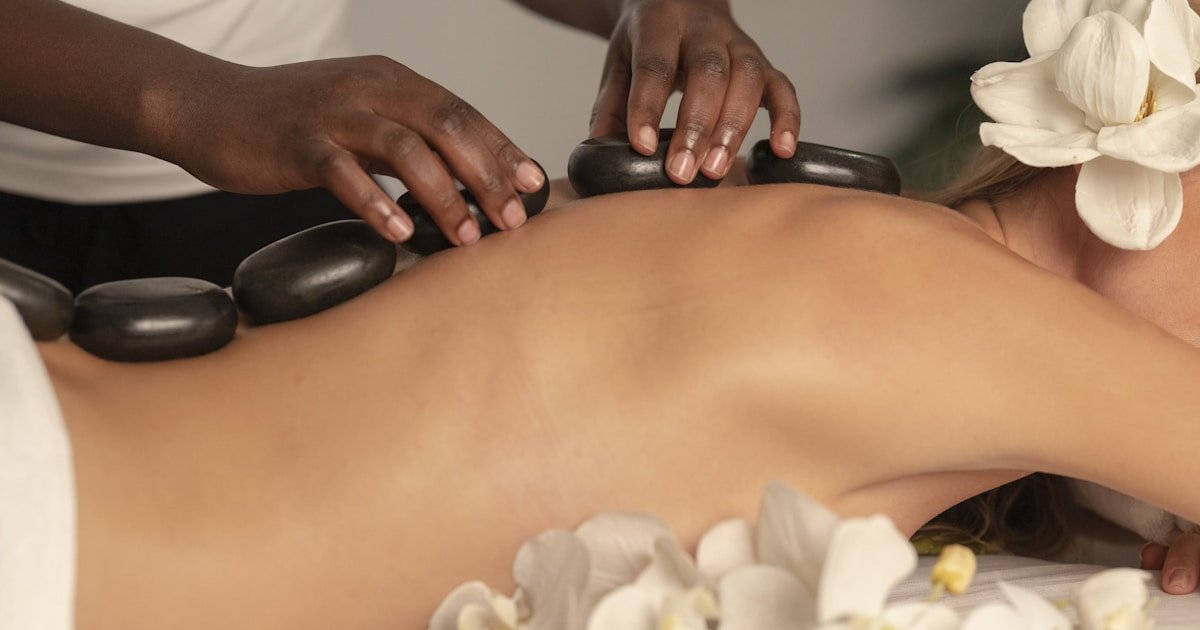
Close your eyes for a second and imagine this: you're lying on a warm massage table. Your body has just received 30 minutes of deep tissue work. Your muscles are soft, your mind is drifting. And then you hear it — a deep, resonant hum that seems to vibrate through your bones. Not music. Not a bell. Something older, something more primal.
That's the sound of a Tibetan singing bowl. And the first time you experience it during a massage, it changes your entire understanding of what relaxation can be.
I'll be honest — the first time someone told me about sound healing, I was skeptical. Very skeptical. It sounded like something from a hippie retreat, not a professional spa. But then I experienced it. And then I watched our clients experience it. And now? I'm convinced it's one of the most underappreciated wellness tools available.
Aur Raipur mein — where stress levels are climbing faster than real estate prices — this kind of therapy is exactly what people need.
What Is Sound Bowl Therapy?
Sound bowl therapy — also called singing bowl therapy or sound bath — uses metal or crystal bowls that produce specific frequencies when struck or rubbed with a mallet. These bowls have been used in Tibetan, Nepalese, and Indian spiritual practices for centuries. But their therapeutic use has gained serious scientific attention in recent years.
When a singing bowl is played near or on the body, it produces vibrations at specific frequencies. These vibrations do two things:
Auditory effect: The sound itself induces a meditative state. The brain's electrical activity shifts from beta waves (normal waking consciousness) to alpha and theta waves (deep relaxation and meditative states). This shift happens naturally and effortlessly — you don't have to "try" to meditate. The sound does it for you.
Vibrational effect: The physical vibrations from the bowl travel through the body. Since the human body is approximately 60% water, these vibrations create a gentle internal massage at the cellular level. It's like dropping a pebble in still water — the ripples spread throughout your entire body.
The Science Behind Sound Healing
If you're skeptical (like I was), here's what research says:
A 2016 study published in the Journal of Evidence-Based Integrative Medicine found that participants who experienced a Tibetan singing bowl meditation showed significant reductions in tension, anger, fatigue, and depressed mood. The study also found that people who had never tried it before showed the most dramatic improvements — suggesting that beginners respond particularly well.
Another study from the University of California, San Diego found that sound meditation with Tibetan bowls significantly reduced blood pressure, heart rate, and reported stress levels. These changes weren't just subjective — they were measurable, physiological shifts.
Research on vibrational therapy has shown that specific frequencies can:
Reduce cortisol levels (the stress hormone)
Increase blood circulation
Stimulate the lymphatic system
Reduce inflammation at the cellular level
Promote the release of nitric oxide, which relaxes blood vessels
So no, this isn't just "woo-woo" wellness. There's real, peer-reviewed science behind it.
How We Combine Sound Therapy with Massage at Raipur SPA
At Raipur SPA, we don't offer sound therapy as an isolated treatment (although we could). Instead, we've found it's most powerful when integrated into a massage session. Here's how it works:
The Warm-Up Phase (First 15 minutes)
The session begins with a traditional oil or dry massage to warm up the muscles and get the blood flowing. This is standard bodywork — Swedish or deep tissue techniques depending on your preference and needs. The physical touch establishes a connection between therapist and client, and the massage begins the relaxation process.
The Sound Integration Phase (Next 20 minutes)
Once the body is warm and the muscles have begun to release, the therapist introduces the singing bowls. A large bowl might be placed on or near the client's body — often on the back, the abdomen, or near the feet. When the bowl is struck, the vibrations travel directly into the body.
The therapist continues with massage techniques while the bowl resonates. The combination is extraordinary — your muscles are being worked manually while simultaneously being vibrated at therapeutic frequencies. It's like getting a massage from the inside and outside at the same time.
Pehli baar jab kisi client ne yeh experience kiya, she literally said, "Yeh kya ho raha hai? Mujhe lagta hai meri bones relax ho rahi hain." And honestly, that's not a bad description. The vibrations penetrate deeper than manual massage alone can reach.
The Deep Relaxation Phase (Final 15 minutes)
In the last phase, the massage becomes lighter and the sound becomes more prominent. The therapist uses slow, gentle strokes while playing different bowls at different frequencies. This creates what's essentially a sound bath combined with gentle touch — a double relaxation stimulus that many clients find profoundly calming.
Many clients enter a state between sleeping and waking during this phase. They're aware of their surroundings but deeply relaxed — almost in a trance. Some describe it as the most peaceful they've ever felt.
Who Benefits Most from Sound Bowl Therapy?
While everyone can enjoy sound therapy, certain groups tend to benefit the most:
People Who Can't "Turn Off" Their Brain
You know who you are. You lie down for a massage and your mind starts running through tomorrow's to-do list, last week's argument with your boss, and whether you locked the front door. No matter how good the massage feels, your brain won't shut up.
Sound therapy is incredibly effective for overthinkers because the bowl's vibrations give the brain something to focus on — something rhythmic and non-verbal that naturally guides the mind away from thought loops. It's like a shortcut to meditation for people who think they "can't meditate."
People with Chronic Anxiety
The specific frequencies produced by singing bowls have been shown to activate the parasympathetic nervous system — the "rest and digest" mode that anxiety keeps suppressed. Regular sessions can help train the nervous system to shift out of anxiety mode more easily.
People with Chronic Pain
Vibrational therapy has been studied for its effects on pain perception. The theory is that the vibrations stimulate mechanoreceptors in the skin and deeper tissues, which can compete with pain signals in the nervous system. It's similar to the "gate control" theory of pain — the vibrations essentially crowd out the pain signals.
People Dealing with Grief or Emotional Trauma
This might surprise you, but sound therapy has a remarkable ability to unlock stored emotions. The vibrations seem to reach places that talk therapy and physical massage can't. It's not uncommon for clients to cry during a sound bowl session — not from sadness, but from the release of emotional tension they didn't even know they were carrying.
High-Stress Professionals
CEOs, doctors, lawyers, IT project managers — people whose jobs demand constant high-level thinking. Sound therapy provides a depth of neural relaxation that standard massage alone often can't achieve. Several of our high-profile clients at Raipur SPA specifically request the sound bowl add-on because it's the only thing that truly quiets their minds.
Different Bowls, Different Effects
Not all singing bowls are the same. Different sizes and compositions produce different frequencies, and different frequencies have different therapeutic effects:
Low-frequency bowls (large, deep-toned): These produce bass vibrations that are felt deeply in the body. Best for grounding, reducing anxiety, and working on the lower body and abdomen. These bowls create vibrations you can literally feel in your bones.
Mid-frequency bowls (medium-sized): These produce warm, rich tones that are felt in the chest and heart area. Best for emotional release, heart-related stress, and general relaxation.
High-frequency bowls (small, bright-toned): These produce clear, bell-like tones that stimulate the head and upper body. Best for mental clarity, headache relief, and clearing brain fog.
A skilled practitioner will use a combination of bowls to create a full-spectrum sound experience. Think of it like a symphony orchestra versus a solo instrument — the combination creates a richer, more comprehensive therapeutic effect.
Crystal Bowls vs Metal Bowls
There's also a difference in material. Traditional Tibetan bowls are made from a mixture of metals — often seven metals representing the seven planets in Tibetan cosmology. Crystal singing bowls, on the other hand, are made from pure quartz crystal.
Metal bowls produce complex, overtone-rich sounds with a warmer quality. Crystal bowls produce purer, more penetrating tones. Both are therapeutically effective, and the choice often comes down to personal preference.
At Raipur SPA, our sound therapy sessions primarily use traditional metal bowls because we find their warmer tones integrate better with massage. But we're always exploring new approaches based on client feedback and emerging research.
What to Expect During Your First Session
If you've never experienced sound therapy before, here's what to expect:
You'll feel vibrations: This is the point. The vibrations might feel strange at first — some people describe it as tingling, others as a gentle humming sensation in their body. This is normal and therapeutic.
You might get emotional: Don't be surprised if you feel like crying or laughing during the session. Sound therapy can release stored emotions, and that's actually a positive sign.
You might lose track of time: Many clients think 10 minutes have passed when it's actually been 40. Sound therapy alters time perception as the brain shifts into theta waves.
You'll feel different afterward: Not just relaxed — different. Many clients describe it as feeling "reset" or "recalibrated." Colors might look brighter, sounds clearer, and your body might feel lighter.
Sound Therapy in the Indian Context
India actually has a long tradition of using sound for healing — from Vedic chanting to temple bells to the concept of Nada Yoga (the yoga of sound). The Tibetan singing bowl tradition entered India through Buddhist monks who traveled through the Himalayas.
So when we offer sound therapy at Raipur SPA, we're not importing some foreign concept. We're reconnecting with a wellness tradition that's been part of the Indian subcontinent for millennia. It's just wearing a new outfit.
Hamare culture mein toh sound therapy ka concept bahut purana hai — ghanti ki awaaz, mantra ka jaap, temple bells — sab vibration therapy hi hai in a way. Singing bowls bas ek refined, focused version hai.
Book Your Sound Therapy Session at Raipur SPA
Raipur SPA in Samta Colony offers sound bowl therapy as an enhancement to our massage treatments. Whether you're dealing with chronic stress, sleep issues, pain, or you simply want to experience something new and profound, sound therapy combined with professional massage delivers results that neither treatment can achieve alone.
Walk-in or book via WhatsApp. And prepare yourself — because once you hear that first bowl sing, wellness will never feel the same again.
Explore Related Services
Enjoyed This Article?
Stop reading about relaxation — come experience it firsthand at Raipur SPA.
