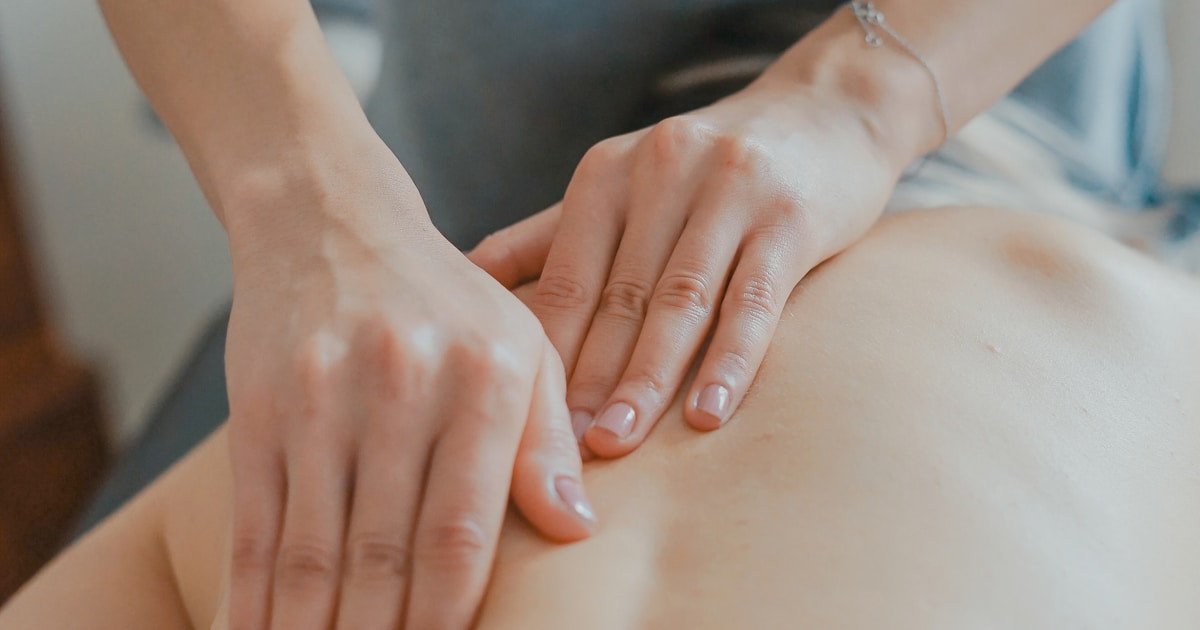
If you have been searching for a drugless, deeply effective solution for joint pain, arthritis, or chronic muscle stiffness in Raipur, there is a therapy that has been treating these conditions for over three thousand years with remarkable results. It is called Kizhi — an Ayurvedic treatment where warm herbal bolus pouches are rhythmically pressed into your affected joints and muscles, delivering therapeutic heat and the concentrated healing power of medicinal herbs directly to where the pain originates.
What Is Kizhi Massage?
The word Kizhi comes from Malayalam, the language of Kerala where Ayurvedic medicine has been most faithfully preserved, and it simply means a bundle or pouch. The therapy involves cloth boluses packed tightly with specific medicinal herbs, herbal powders, or medicated rice, which are then dipped in warm medicated oil and applied with firm rhythmic pressure to the body in a systematic pattern prescribed by classical Ayurvedic texts.
Unlike Swedish or deep tissue massage where the therapist's hands manipulate soft tissue directly, Kizhi works through a dual mechanism: the sustained heat from the warm bolus opens the skin's pores and dilates blood vessels at the treatment site, while the medicinal compounds inside the bolus are simultaneously transferred transdermally into the heated tissue. This combination of thermal and pharmacological action is what gives Kizhi its remarkable efficacy for musculoskeletal conditions that ordinary massage cannot adequately address.
Kizhi is classified in classical Ayurveda under Swedana — sudation or sweating therapies — and is described in both the Charaka Samhita and the Ashtanga Hridayam as a primary treatment for Vata-related disorders affecting the musculoskeletal system. When Vata dosha becomes aggravated in the joints and muscles, it produces the conditions we recognise as arthritis, spondylosis, frozen shoulder, sciatica, and chronic muscle pain. Kizhi's warm, heavy, unctuous qualities directly counteract aggravated Vata, while the specific herbal formulations address the inflammatory (Pitta) and stagnant fluid (Kapha) components of joint disease.
Types of Kizhi Available in Raipur
At Scale Raipur SPA, we offer the three most clinically important Kizhi variants, each suited to different conditions and constitutional types.
Elakizhi (Patra Pinda Sweda) uses boluses filled with fresh medicinal leaves. The leaves most commonly used include Nirgundi (Vitex negundo), one of Ayurveda's most powerful anti-inflammatory plants; Calotropis procera (Aak), used for nerve pain; Tamarind leaves, which contain tartaric acid with mild analgesic properties; Lemon leaves for their volatile oil content; and Coconut leaves as a carrier and thermal buffer. The leaves are briefly sauteed in medicated sesame oil before packing to activate their volatile medicinal compounds. Elakizhi is preferred for Vata-dominant conditions: neuralgias, cold-type joint pain, muscle wasting and weakness, stiffness that worsens in winter, and early cervical or lumbar spondylosis.
Podikizhi (Churna Pinda Sweda) uses boluses filled with dry herbal powder. The classical Ayurvedic powder used is Kolakulattadi Churna, a complex preparation containing twelve or more herbs including Kolakula (horse gram), Ativis (Aconitum heterophyllum), Devadaru (Cedrus deodara), and Shunthi (dry ginger). Podikizhi generates significantly more heat than Elakizhi and is indicated for Kapha-dominant conditions where moisture and stagnation are the primary pathology: oedematous or swollen joints, obesity-related joint strain, water retention in the legs, and sluggish circulation. It is also valuable for Kapha-dominant frozen shoulder where there is significant fibrotic restriction.
Njavara Kizhi (Shashtika Shali Pinda Sweda) is fundamentally different from the other two variants in its intention. Rather than generating heat to remove excess Vata and Kapha, Njavara Kizhi uses boluses filled with Njavara rice — a specific medicinal short-grain rice from Kerala — cooked in a combination of cow's milk and the herbal decoction of Bala (Sida cordifolia). The application is nourishing rather than depleting, making it appropriate for cases involving tissue wasting, neuromuscular conditions including post-stroke rehabilitation, peripheral neuropathy, and cases where the patient is too depleted or sensitive to tolerate the more stimulating variants.
Conditions Treated by Kizhi
The range of musculoskeletal conditions that respond to Kizhi therapy is extensive. Osteoarthritis — the commonest joint condition affecting Raipur's middle-aged and elderly population — responds particularly well to regular Kizhi. The deep heat improves synovial fluid viscosity and circulation, the herbal anti-inflammatories reduce cartilage degradation enzymes, and the improved joint mobility reduces the mechanical loading that accelerates disease progression.
Rheumatoid arthritis in its non-acute, stable phase also benefits substantially from Kizhi. The immunomodulatory properties of Nirgundi and other Elakizhi herbs have been demonstrated to reduce inflammatory cytokine levels, and the improved circulation helps clear the inflammatory mediators from the joint space.
Cervical spondylosis — increasingly common in Raipur's technology and office worker population due to prolonged screen use — is one of the conditions where Kizhi produces the most dramatic results. Targeted Elakizhi application over the cervical vertebrae and surrounding paraspinal musculature reduces muscle spasm, improves vertebral blood flow, and decreases the perineural inflammation causing radiating pain and tingling into the arms.
Lumbar spondylosis and chronic lower back pain respond to both Elakizhi and the more heating Valuka Sweda (sand bolus) variant for dry, degenerative disc conditions. Frozen shoulder, sports injuries, tendinitis, and ligament sprains all demonstrate accelerated healing with Kizhi therapy.
The Clinical Evidence
Kizhi is one of the better-researched Ayurvedic therapies. A randomized controlled trial published in the International Journal of Ayurveda Research compared Elakizhi with physiotherapy for knee osteoarthritis across forty patients. After fourteen days of daily treatment, the Kizhi group showed significantly greater reductions in WOMAC pain scores, improved walking distance, and better stair-climbing performance — with effects maintained at the thirty-day follow-up. A separate study at the Kerala University of Health Sciences documented a sixty-three percent reduction in VAS pain scores for cervical spondylosis patients after a ten-day Kizhi course.
The mechanism has been partially elucidated: the transdermal penetration of sesame oil's sesamol and sesamolin — which have COX-2 inhibitory activity similar to NSAIDs — combined with the anti-inflammatory alkaloids from Nirgundi creates a pharmacological effect at the joint tissue level. The sustained thermal stimulus also independently reduces prostaglandin E2 and substance P concentrations at the treatment site.
What to Expect During Your Session
Your Kizhi session at Scale Raipur SPA begins with a ten-minute Ayurvedic consultation to assess your condition and select the appropriate variant and oil. The boluses are prepared fresh for each session — there is no pre-prepared batch. You lie on the treatment table in the optimal position for accessing your affected joints, and a preliminary warm oil application is made to the treatment area.
The session typically follows a systematic sequence: beginning with the most affected areas and expanding outward. Your therapist alternates between two or more boluses, maintaining consistent temperature by repeatedly dipping them in the warm oil vessel. The pressure and rhythm follow classical Ayurvedic technique. At the affected joint, you will feel an intense, penetrating warmth that goes significantly deeper than anything achievable with a hot water bottle or heating pad — this is the therapeutic response you need.
After the session, rest for thirty minutes before leaving. Do not shower for at least two to three hours — the medicated oil and herbal residue continue working after the session ends. Eat a light, warm meal and avoid cold food or drinks for the rest of the day.
Book Your Kizhi Session in Raipur
Scale Raipur SPA offers three Kizhi packages: Classic Elakizhi at Rs.1,199 for 60 minutes, Signature Podikizhi at Rs.1,699 for 90 minutes, and the Royal Panchakarma Kizhi at Rs.2,499 for 120 minutes — which combines Abhyanga warm oil massage with comprehensive multi-variant Kizhi therapy. We are located near Fafadih Chowk, Raipur, and open daily from 9 AM to 9 PM. Call +91-771-4000000 or visit our Kizhi page to book. Your joints have been waiting for this.
Enjoyed This Article?
Stop reading about relaxation — come experience it firsthand at Raipur SPA.
